


Primary Years Programme (PYP)
The Primary Years Programme: Cultivating Curious, Capable Learners
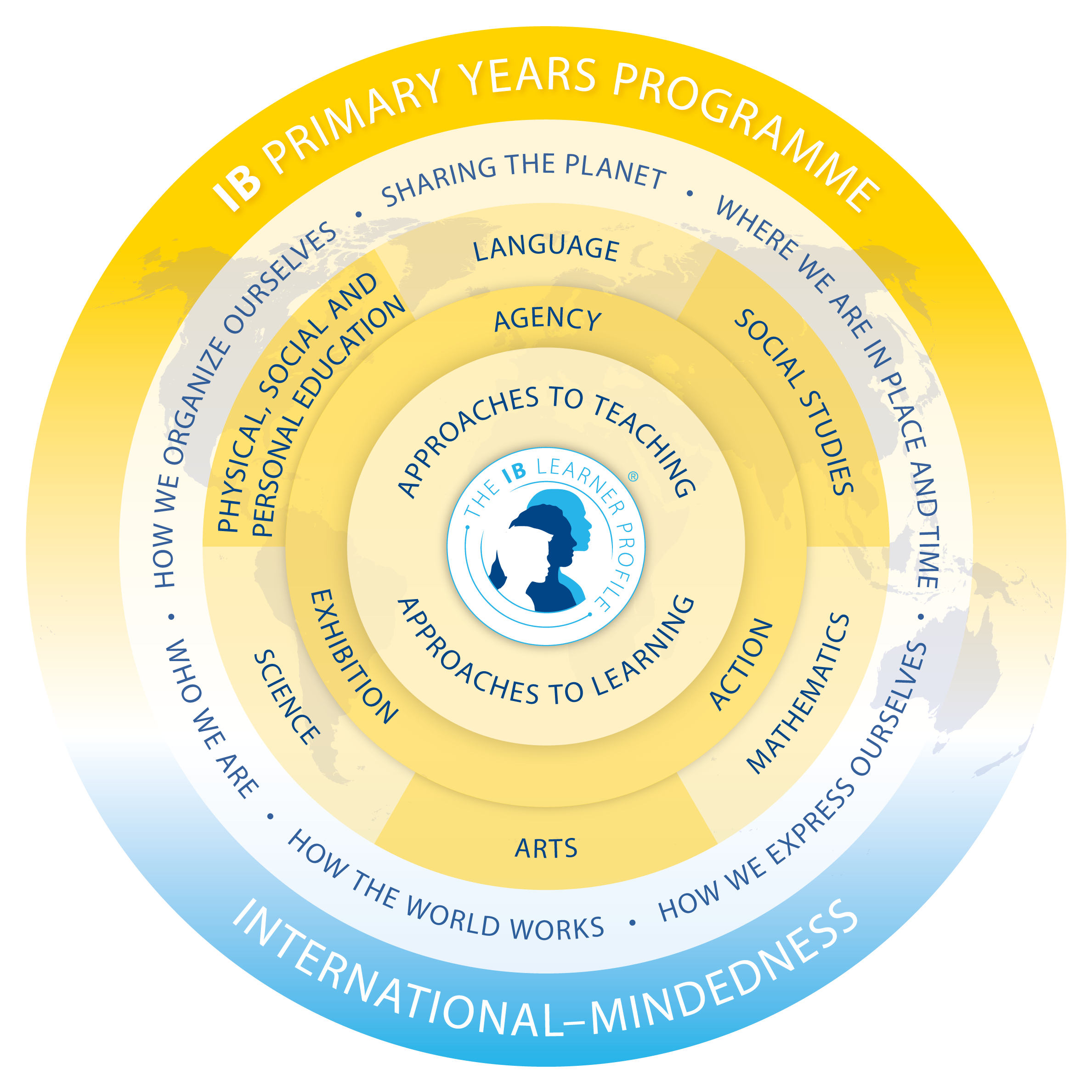
Our IB Primary Years Programme serves as a blueprint for nurturing learners who grow into confident, globally conscious citizens. As an IB primary school, we place each learner at the centre of a seamlessly connected educational experience that transcends traditional subject boundaries. Through an inquiry-based learning approach, students explore concepts that are significant, challenging, and relevant—bringing depth and purpose to the PYP curriculum.
As students progress through the IB Continuum, the focus shifts towards concept-driven learning. The transdisciplinary curriculum enables learners to connect ideas across disciplines while strengthening critical thinking. Guided by the IB learner profile and enriched through ATL skills, students develop the confidence to collaborate, think independently, and take meaningful action—ultimately achieving the programme’s overarching goal of international mindedness.
Turning Inquiry into Action Through the PYP Framework
The PYP framework brings learning to life through student agency, real-world problem-solving, and a balanced, holistic approach.
Agency and Action
Students take ownership of their learning and apply it in real-world contexts, becoming proactive leaders.
The Exhibition
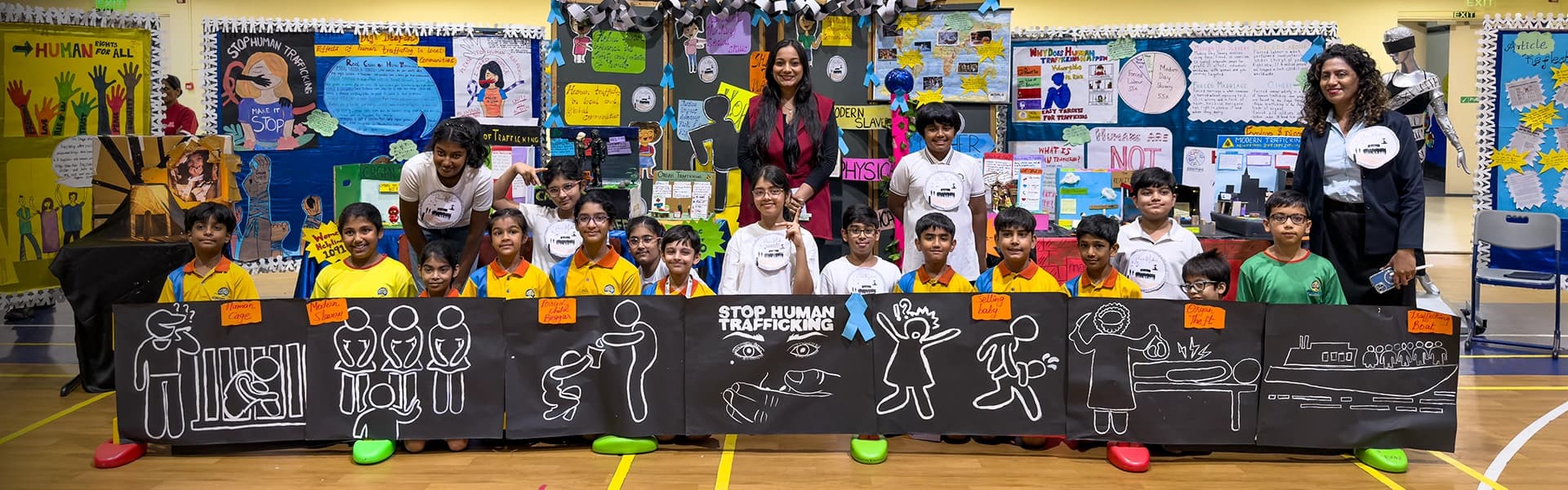
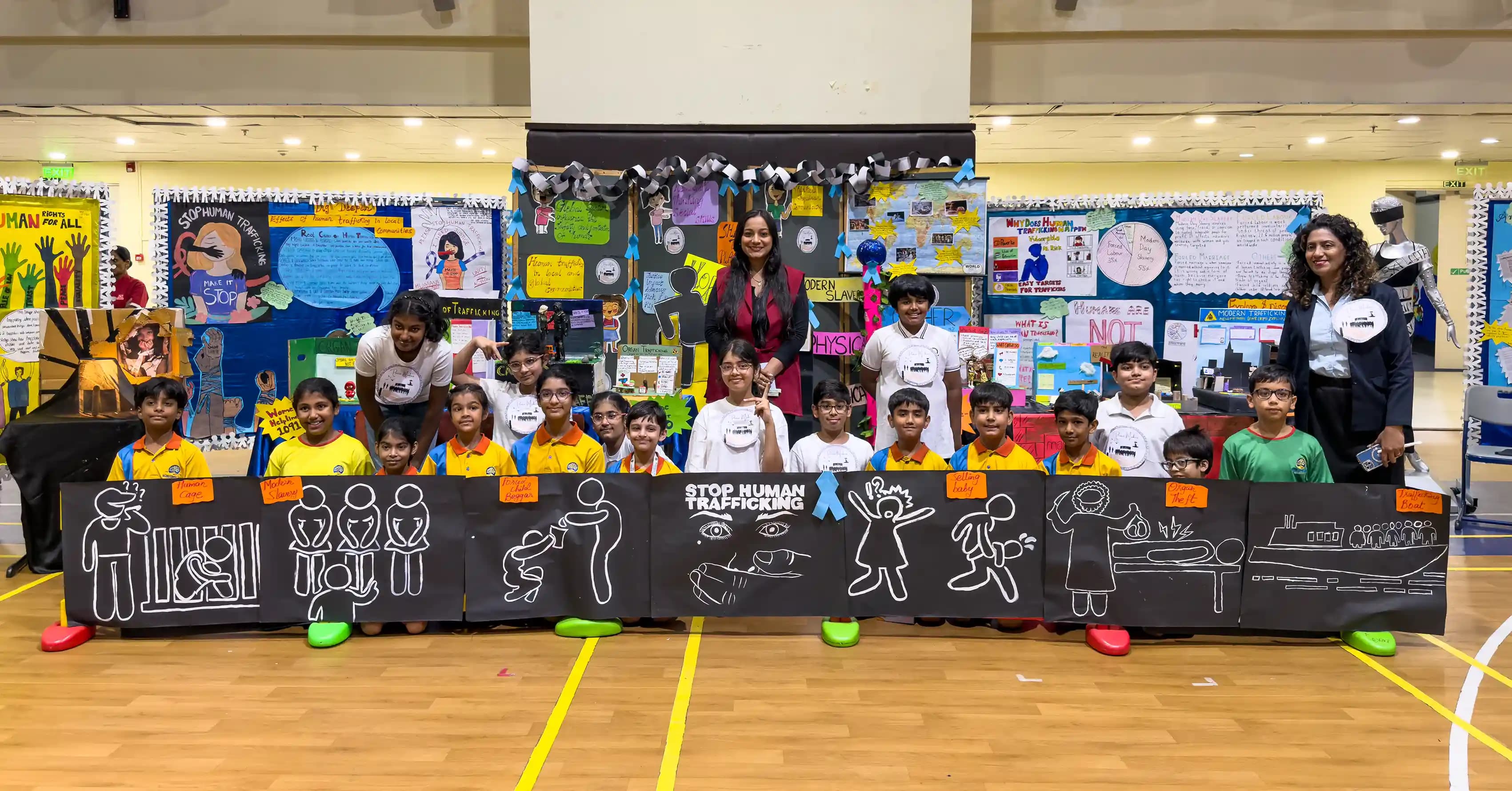
The capstone of the PYP curriculum, the exhibition is a student-led, collaborative research project where learners present solutions to real-life issues, demonstrating the full spectrum of the IB Learner Profile.
Integrated Specialist Learning
While Homeroom Facilitators drive the core inquiry, specialist mentors in ICT, Drama, and Physical Education ensure a balanced and holistic development.
Real-World Action and Problem-Solving
Students apply their learning in meaningful real-life contexts, developing the confidence and skills to become proactive thinkers and responsible leaders.
Shaping Young Learners Through the Developmental Pillars
The transdisciplinary model extends across all three pillars of the PYP curriculum framework—the learner, learning and teaching, and the learning community.
The Learner
- Defines outcomes for each student
- Focuses on who they are becoming
- Builds understanding and personal learning goals

Learning and Teaching
- Articulates the features of learning and teaching
- Enables meaningful, engaging experiences
- Supports effective and purposeful learning

The Learning Community
- Emphasises on the social outcomes of learning
- Involves educators, peers, and the wider IB community
- Facilitates a collaborative, supportive environment
Want to delve deeper? Take a closer look at the PYP curriculum.
Explore a PYP parent’s perspective on how MLSI shapes capable, independent thinkers—empowered with the skills, mindset, and global perspective to take purposeful action and progress effortlessly into the Middle Years Programme.
FAQs
The Primary Year Programme (PYP) focuses on students aged 6 to 12, emphasising inquiry-based learning. It encourages young learners to explore concepts and develop their understanding through real-world connections while nurturing their social, emotional, and physical well-being.
The PYP uses Units of Inquiry to connect subjects like language, science, and mathematics through real-world themes. This integrated approach helps students understand how knowledge applies beyond the classroom, making learning more meaningful, engaging, and relevant to everyday life.
Students develop essential skills such as communication, research, critical thinking, collaboration, and self-management. These skills are embedded in daily learning, helping children become independent learners who can analyse information, work effectively with others, and manage their own learning journey.
Transdisciplinary learning connects multiple subjects through shared themes, allowing students to explore concepts from different perspectives. Instead of studying subjects separately, children understand how ideas link together in real-world contexts, leading to deeper understanding and more meaningful learning experiences.
The PYP Exhibition is a final, student-led project where learners research a real-world issue of their choice. They investigate, analyse, and present their findings creatively, demonstrating their understanding, research ability, and communication skills developed throughout the programme.
Assessment in the PYP is a continuous and holistic process, using observations, projects, presentations, and reflections rather than relying only on exams. This approach helps teachers understand each child’s progress, strengths, and areas for improvement more accurately over time.
The PYP promotes student agency by encouraging children to ask questions, explore their interests, and reflect on their learning. This helps students take ownership of their education, build confidence, and develop the ability to think independently and make informed decisions.
The PYP builds strong foundations in inquiry, research, and conceptual understanding, which are essential for success in the MYP. Students become confident learners who can analyse ideas, make connections, and adapt to the more structured academic framework of the next stage.
Teachers in the PYP act as facilitators of learning, guiding students through questions, discussions, and investigations. They create a supportive environment that encourages curiosity, collaboration, and independent thinking, ensuring each child’s learning experience is engaging and personalised.
The PYP at MLSI offers a balance of academic rigour, inquiry-based learning, and strong values. Students develop curiosity, confidence, and global awareness in a supportive environment, making MLSI a strong choice for parents seeking a high-quality international education.