


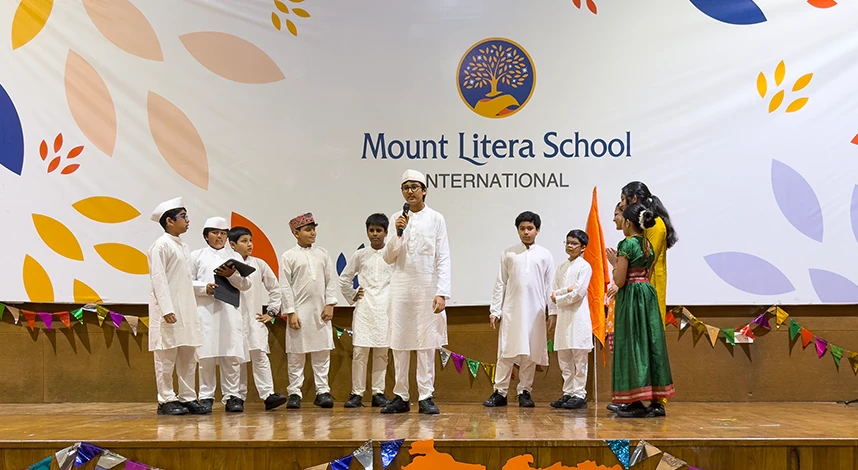
Confidence is not developed overnight, it is nurtured through meaningful learning experiences, authentic opportunities to communicate, and a supportive school culture. In an International Baccalaureate (IB) school, learners gradually build the confidence to express their ideas, present their learning, collaborate with others, and become effective communicators. From the Primary Years Programme (PYP) through the Middle Years Programme (MYP) and Diploma Programme (DP), students develop the communication, self-management, and leadership skills needed to thrive both inside and outside the classroom.
The International Baccalaureate (IB) approach to education places strong emphasis on developing confident communicators, reflective learners, and courageous risk-takers. Through a wide range of learning experiences, IB schools create environments where students gradually build the confidence to express themselves and overcome their fear of public speaking and performance.
Creating a Safe and Supportive Environment
Confidence begins with feeling safe and valued. In IB classrooms, students are encouraged to share their ideas, ask questions, and participate in discussions without fear of judgment. Teachers create nurturing environments where mistakes are viewed as opportunities for learning rather than failures.
IB classrooms foster learner agency by encouraging students to ask questions, share diverse perspectives, reflect on their learning, and take ownership of their personal growth. This culture of psychological safety helps students develop confidence naturally over time.
When students feel respected and heard, they become more willing to take risks, contribute their perspectives, and step outside their comfort zones.
Regular reflection, peer collaboration, and constructive feedback help learners recognise that confidence develops through practice rather than perfection.
Building Confidence Through Daily Opportunities
Overcoming stage fear does not happen overnight. It is built through consistent practice and exposure. IB students regularly engage in activities that require them to communicate their thinking, including:
- Classroom presentations
- Group discussions and debates
- Show-and-tell activities
- Assemblies and performances
- Student-led conferences
- Exhibition and project presentations
- TED-Ed talks and public speaking opportunities
Across the IB continuum, these authentic communication experiences strengthen learners' Approaches to Learning (ATL) skills, particularly communication, social, and self-management skills. Students learn to organise their thinking, communicate effectively with different audiences, and reflect on their personal growth.
These experiences allow students to gradually become comfortable speaking in front of different audiences, helping them develop confidence over time.
Frequent opportunities to present learning in meaningful contexts help reduce anxiety while developing resilience, critical thinking, and effective communication.
Encouraging the Learner Profile Attribute: Risk-Taker
The IB Learner Profile encourages students to be Risk-taker—individuals who approach uncertainty with courage and determination. Students learn that growth often happens when they challenge themselves and try something new.
Whether it is performing in a school production, presenting a project, participating in a debate, or leading an assembly, learners are encouraged to embrace challenges and celebrate effort as much as achievement.
The Learner Profile also encourages students to become Reflective, Open-minded, Communicators, and Balanced learners, recognising that confidence develops through continuous growth and self-reflection.
Learning Through the Arts and Performance
Across the IB continuum, the arts provide powerful opportunities for students to express themselves, build confidence, and develop communication skills. In the Early Years, learners participate in music, movement, role play, and storytelling experiences that encourage self-expression and confidence in a nurturing environment. In the Primary Years Programme (PYP), students showcase their learning through assemblies, performances, exhibitions, presentations, and cultural celebrations, gradually becoming comfortable sharing their ideas and talents with an audience.
As students progress into the Middle Years Programme (MYP), they engage in more sophisticated artistic and performance-based experiences through Visual Arts, Performing Arts, interdisciplinary projects, student-led assemblies, and community events. These opportunities encourage learners to take creative risks, collaborate with others, and develop confidence in presenting their work publicly.
In the Diploma Programme (DP) and Career-related Programme (CP), students continue to strengthen their communication and presentation skills through exhibitions, CAS experiences, Reflective Projects, Extended Essays, presentations, and leadership opportunities. Through these authentic experiences, learners develop poise, resilience, and the confidence to express their ideas effectively in a variety of settings.
These experiences reflect the IB philosophy of authentic learning, where students demonstrate understanding through real-world applications rather than memorisation alone. Performing, presenting, and collaborating all contribute to developing confident, internationally minded communicators.
Student Agency and Leadership Opportunities
IB schools provide numerous opportunities for students to take ownership of their learning and leadership roles. Whether serving as student council members, leading assemblies, participating in Model United Nations conferences, mentoring younger students, or organizing school events, learners gain valuable experiences that strengthen confidence and independence.
Student agency is central to the IB philosophy. By making meaningful choices, setting personal goals, and reflecting on their learning, students become active participants in their educational journey rather than passive recipients of knowledge.
These authentic leadership opportunities help students discover their strengths and recognize the impact they can have on others.
These experiences prepare learners for future academic success, university life, leadership roles, and meaningful contributions within local and global communities.
How Parents Can Support Confidence at Home
Confidence grows most effectively when home and school work together. Parents can encourage children to share their ideas, celebrate effort rather than perfection, provide opportunities for decision-making, and model positive communication. Reading together, encouraging curiosity, listening actively, and giving children time to solve problems independently all reinforce the confidence-building experiences they encounter in an IB classroom.
Frequently Asked Questions
What makes IB schools effective at building children's confidence?
IB schools build confidence by giving learners regular opportunities to express their ideas, collaborate with others, reflect on their learning, and take meaningful action. Rather than focusing only on academic achievement, the International Baccalaureate develops the whole child through inquiry-based learning, student agency, and authentic learning experiences. As students participate in presentations, discussions, performances, and collaborative projects, they gradually become more confident, resilient, and independent learners.
How does the IB Learner Profile help students overcome stage fear?
The IB Learner Profile encourages students to become confident Communicators, courageous Risk-takers, thoughtful Reflective learners, and Open-minded individuals. These attributes help students approach unfamiliar situations with confidence rather than fear. Whether presenting an inquiry, participating in a debate, or performing on stage, learners are encouraged to view challenges as opportunities for growth, helping them develop resilience and self-belief over time.
How do PYP students develop communication skills?
In the Primary Years Programme (PYP), communication skills develop naturally through inquiry-based learning, collaborative activities, storytelling, presentations, classroom discussions, performances, and student-led conferences. Learners are encouraged to ask questions, explain their thinking, listen respectfully to others, and present their understanding in different ways. These everyday experiences help children become confident communicators while strengthening their language, social, and self-management skills.
How does student agency build confidence?
Student agency allows learners to take ownership of their learning by making choices, setting goals, reflecting on their progress, and taking meaningful action. When students feel their ideas are valued and their voices matter, they become more willing to participate, take risks, and solve problems independently. This sense of ownership helps develop confidence, resilience, motivation, and a lifelong love of learning.
What are Approaches to Learning (ATL) skills in the IB?
Approaches to Learning (ATL) skills are a core part of the IB curriculum and help students become independent, self-regulated learners. They include communication, thinking, research, social, and self-management skills that learners use across all subjects and real-life situations. By developing these transferable skills, students become more organised, confident, reflective, and capable of navigating new challenges both inside and outside the classroom.
Do IB students participate in public speaking and presentations?
Yes. Public speaking and presentations are integrated throughout the IB continuum. Students regularly share their learning through classroom presentations, assemblies, exhibitions, student-led conferences, collaborative projects, debates, performances, and community events. These authentic opportunities help learners develop confidence, effective communication skills, critical thinking, and the ability to present ideas clearly to different audiences.
How do the arts support confidence in IB schools?
The arts play an important role in helping students develop confidence, creativity, and self-expression. Through music, drama, dance, visual arts, storytelling, and performance, learners explore new ideas, take creative risks, and share their work with others. These experiences encourage students to communicate confidently, collaborate effectively, and appreciate different perspectives while developing resilience and a positive sense of identity.
Can shy children thrive in an IB school?
Absolutely. IB schools recognise that every child develops confidence in their own way and at their own pace. Teachers create supportive learning environments where all students are encouraged to participate without fear of judgement. Rather than expecting children to speak confidently immediately, the IB gradually builds communication skills through collaborative learning, inquiry, reflection, and authentic experiences. Many quieter learners grow into confident communicators as they feel safe, respected, and valued within the school community.